SPINS DÍA 2 INGLÉS

SPINS

1. ALL SECTIONS

2. A/A SECTION

3. A/S SECTION

4. AAR SECTION

5. TPT SECTION

6. EW SECTION

DECISION LEVEL

As in any organization, there are decisions that will go above your current rank. For this workshop your direct bosses are JFAC COM (2 instructors, available at any moment), and ICF COM (available only during the briefings)


1. SPINS - ALL SECTIONS

  • (1) Extra aircraft (surge) for each nation need to be authorized. .
    • Decision Level: JFAC COM
  • (2) All missions will comply with the active ROEs, a change in the ROEs needs to be requested.
    • Decision Level: JFAC COM
  • (3) High Value Airborne Assets (HVAA) should not fly less than 100 NM from ZIR or ESC airspace.
    • Decision Level: ICF COM
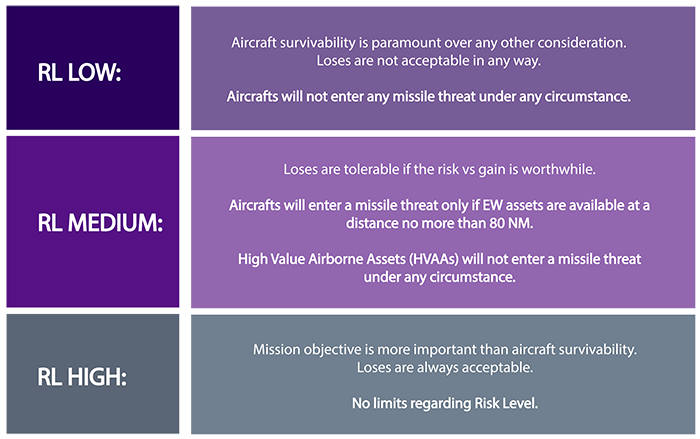
  • (4) The following Risk Levels apply. INITIAL RISK LEVEL = LOW.
    • Decision Level: ICF COM


2. SPINS - A/A SECTION

A. OBJECTIVE

The main concern of A/A Operations are enemy aircrafts. They usually protect the areas assigned to them by establishing a Combat Air Patrol (CAP), escort vulnerable aircrafts into enemy airspace or defend ground / maritime units from enemy fighters.

B. RULES

(1) Fighter aircrafts always fly in pairs, under no circumstance they will fly alone.

(2) The fighters will have to calculate the fuel they will consume while they are holding in a CAP. They can carry out 1 Air-to-Air (AAR) refueling, receiving the amount of fuel in pounds necessary up to their maximum per total aircraft capacity.


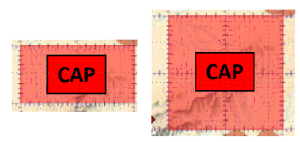
(3) To defend any area, a Combat Air Patrol (CAP) is established. Each CAP can defend all the 60x60NM squares that are in touch with the CAP (See example)

(4) Ground Alerts, also known as Quick Reaction Alert (QRA) are a kind of mission where aircrafts remain in the ground for 24 hours and will only take off if they are needed.

3. SPINS - A/S SECTION

A. OBJECTIVE

The main concern of A/S Operations are the ground threats. They will attack any objective of interest to the JFAC, but are also ready to provide support to Land or Maritime Operations if needed.

B. RULES

(1) Fighter aircrafts always fly in pairs, under no circumstance they will fly alone.


(2) The fighters will have to calculate the fuel they will consume while they are holding in a CAP. They can carry out 1 Air-to-Air (AAR) refueling, receiving the amount of fuel in pounds necessary up to their maximum per total aircraft capacity.


(3) To defend any area, a Combat Air Patrol (CAP) is established. Each CAP can defend all the 60x60NM squares that are in touch with the CAP (See example)

(4) Ground Alerts, also known as Quick Reaction Alert (QRA) are a kind of mission where aircrafts remain in the ground for 24 hours and will only take off if they are needed.

4. SPINS - AAR SECTION

A. OBJECTIVE

The main concern of AAR is to support and give fuel to assets during their operations. It is consider as High Value Airborne Asset (HVAA)

B. RULES

(1) AAR aircrafts will have to calculate fuel consumption to determine how long they can stay in the area.

(2) The fighters will have to calculate the fuel they will consume while they are holding in a CAP. They can carry out 1 Air-to-Air (AAR) refueling, receiving the amount of fuel in pounds necessary up to their maximum per total aircraft capacity.

(3) Each AAR aircraft can carry out as many Air-to-Air refueling as it has fuel on board to supply other aircraft.

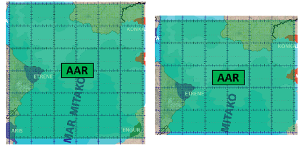
(4) AAR Areas can provide fuel to aircrafts within the green shaded area, range of the AAR plane (see example)


5. SPINS - TPT SECTION

A. OBJECTIVE

The main concern of TPT Operations is to support tactical and logistic movements, carry out non-violent operations if necessity arises and be prepared to execute any medical or evacuation mission.

B. RULES

(1) TPT aircrafts will have to calculate fuel consumption to determine how long they can stay in the area.

(2) Ground Alerts, also known as Quick Reaction Alert (QRA) are a kind of mission where aircrafts remain in the ground for 24 hours and will only take off if they are needed

(3) Each AAR aircraft can carry out as many Air-to-Air refueling as it has fuel on board to supply other aircraft.

6. SPINS - EW SECTION

A. OBJECTIVE

The main concern of EW Operations is to support operations avoiding Surface to Air recognizing and a potential missile launch. It is consider a High Value Airborne Asset (HVAA).

B. RULES

(1) EW aircrafts will have to calculate fuel consumption to determine how long they can stay in the area.

(2) Ground Alerts, also known as Quick Reaction Alert (QRA) are a kind of mission where aircrafts remain in the ground for 24 hours and will only take off if they are needed.

(3) Aircraft equipment coverage / range: